

Operational readiness for a new plant asset
A structured operational readiness plan got a new plant asset ready to run before handover, covering spares, master data, maintenance strategy and procedures.
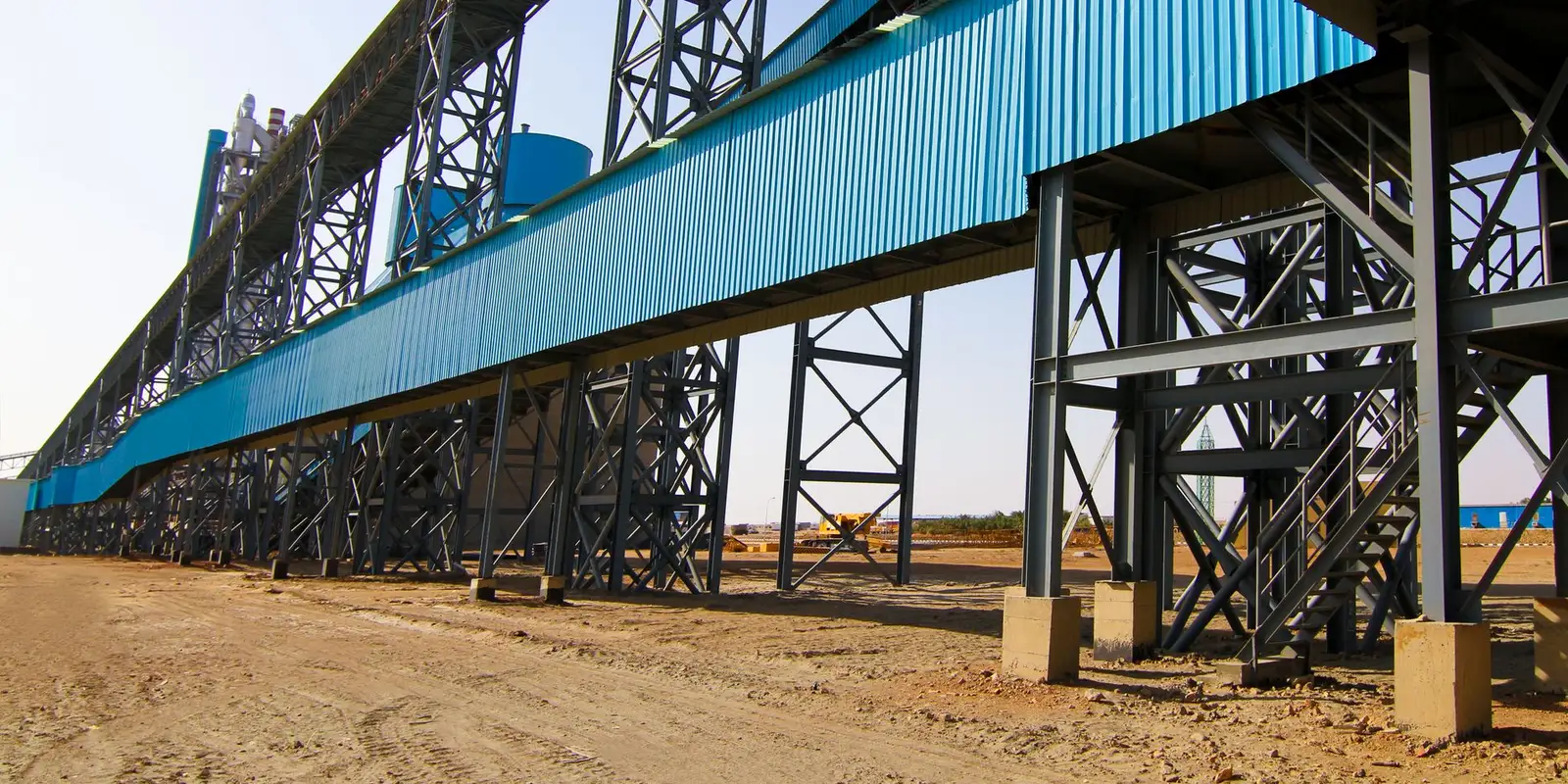
maintainable from day one, not after the first failure
critical items catalogued and stocked before go-live
readiness the site can run on the next project
The challenge
New assets are commonly delivered against a project schedule measured on commissioning, while the work that makes them maintainable sits with operations teams who are already fully committed. Spares, master data, maintenance strategies and procedures end up being assembled after handover, often during the first breakdown.
The result is a ramp-up period run reactively, at the exact point the asset is least understood and most closely watched. Operations and maintenance personnel require the supporting work completed and verified before handover, so the asset arrives ready to maintain rather than ready to fix.
When it's time to act
The signs we commonly see when this initiative is due.
- The project schedule measures commissioning, and nobody on it is measured on maintainability.
- Master data being built by the contractor to their standard rather than the site taxonomy.
- Critical spares identified in a register but never catalogued, stocked or linked.
- Maintenance strategies that will be worked out after handover.
- A ramp-up plan that assumes the first year will be smooth.
How we deliver it
Set the gates
Work back from go-live to a dated readiness checklist with named owners.
Build the data
Asset structure and master data on an agreed taxonomy, ready for the first work order.
Strategies
Maintenance strategies, job plans and procedures for the critical systems.
Spares
Stocking decisions from criticality and lead time, catalogued against the equipment.
Train and verify
Competency confirmed rather than assumed, with gaps tracked to closure.
Handover
Transfer with the gates closed, so the asset arrives ready to maintain.
Set the gates
Work back from go-live to a dated readiness checklist with named owners.
Build the data
Asset structure and master data on an agreed taxonomy, ready for the first work order.
Strategies
Maintenance strategies, job plans and procedures for the critical systems.
Spares
Stocking decisions from criticality and lead time, catalogued against the equipment.
Train and verify
Competency confirmed rather than assumed, with gaps tracked to closure.
Handover
Transfer with the gates closed, so the asset arrives ready to maintain.

Our approach
- Understand what the asset will genuinely need to run, with the operations and maintenance people who will carry it after the project team leaves.
- Assess readiness against your own operational readiness standard and relevant industry practice, so gaps are known early rather than discovered during the first breakdown.
- Work back from the go-live date to a dated readiness checklist with named owners and clear gates.
- Build the asset structure and master data, and set up spares and cataloguing.
- Develop maintenance strategies and procedures with the site team.
- Track readiness so gaps are closed out before handover.
Tools and methods
The value it creates
- The asset handed over ready to maintain, not scrambling after go-live.
- Spares and master data in place from day one.
- A readiness approach the site can reuse on the next project.
What changes
Readiness items as aspirations
Dated gates with named owners, closed before handover
Data assembled during the first breakdown
Master data ready for the first work order
Spares sorted out later
Stocking set by criticality and lead time before go-live
Competency assumed
Competency verified, with gaps tracked to closure
Where these initiatives fail
The failure modes we design against.
- Starting readiness when the project schedule slips, which is exactly when it gets compressed.
- Letting the contractor's data standard become the site's by default.
- Treating the checklist as a report rather than a set of gates someone can hold.
- Scheduling training after handover, on equipment already in service.
Common questions
When should operational readiness start?
With the project, not after it. The cheapest time to build master data, spares and strategies is while the information is still flowing from vendors and the project team is still on site.
Who owns readiness, the project or operations?
Jointly, with a named owner per item. The failure mode is the gap between the two, which is why the checklist assigns every gate to a person rather than a team.
What does a readiness gate actually gate?
Handover. An open gate becomes a decision someone senior makes knowingly, with the cost understood, rather than a surprise the maintenance team inherits.
Key terms
Plain-language definitions from our glossary for the concepts this page leans on.
Further reading
Articles and calculators on the methods behind this work.
Related projects
Facing a similar challenge?
Tell us what you are working through and we will bring the right mix of engineering, data and hands-on experience.
Contact us