
Experience
The initiatives we deliver: why they matter, how we approach them, and the value they create
Predictive maintenance and condition monitoring
Less downtime: faults found early become planned work
Breakdown work costs more, takes longer and carries more risk than planned work. Why condition monitoring programs pay for themselves, and how we build them.
Further Details →
Rebuilding asset hierarchies and maintenance master data
Trusted data: one hierarchy that matches the plant
Every planning, costing and reliability decision stands on the asset register underneath it. Why hierarchies get rebuilt, how to choose a taxonomy, and how to do it without losing history.
Further Details →
Automated operations reporting
Hours back: analysts stop collating and start analysing
Hand-built reports cost hours every week and cannot be defended when someone asks where a number came from. Why operations automate reporting, and how to build pipelines that hold up.
Further Details →
Real-time production analytics
Same shift: excursions corrected while they matter
A rate loss you find tomorrow is a rate loss you cannot recover. Why operations move to live production analytics, and how to surface plant data without touching control.
Further Details →
Work management and scheduling uplift
More tool time: crews work the plan, not the interruption
Busy is not the same as productive. Why break-in work and a growing backlog are maintenance planning and scheduling problems, and how a work management uplift fixes the cause rather than the symptom.
Further Details →
Telemetry and monitoring for remote assets
Less travel: exception alerts replace inspection runs
Sensors are cheap, but an app per device is not a system. Why operations consolidate remote asset monitoring onto one industrial IoT platform, and how to do it without losing control of the data.
Further Details →
Reliability engineering and asset strategy program
Effort refocused: work moves to the failure modes that matter
Maintenance strategies accumulate rather than get designed. Why asset strategy programs matter, and how FMECA and reliability centred maintenance logic decide what each asset actually deserves.
Further Details →
SQL data platform and ETL optimisation
Loads that finish: overnight runs complete and restart cleanly
Reporting databases grow organically until nobody trusts them. Why platforms get rebuilt, and how dimensional design and disciplined ETL restore performance and trust.
Further Details →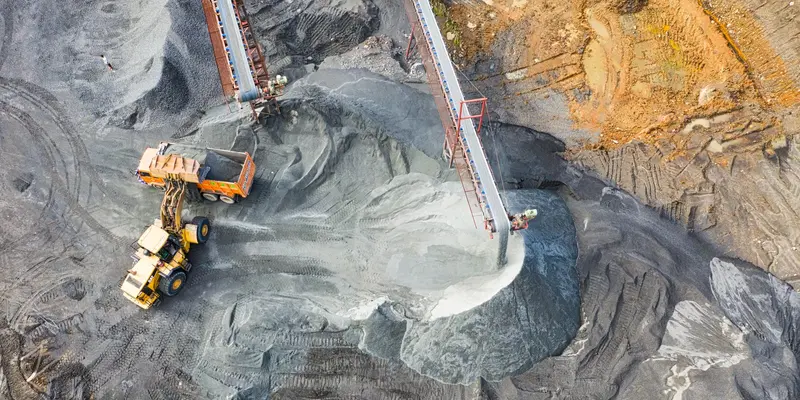
Transfer chute redesign guided by DEM modelling
Fewer blockages: the flow problem solved at its cause
Discrete Element Method modelling identified why a critical transfer chute blocked in wet season ore, and guided a redesign that kept product flowing.
Further Details →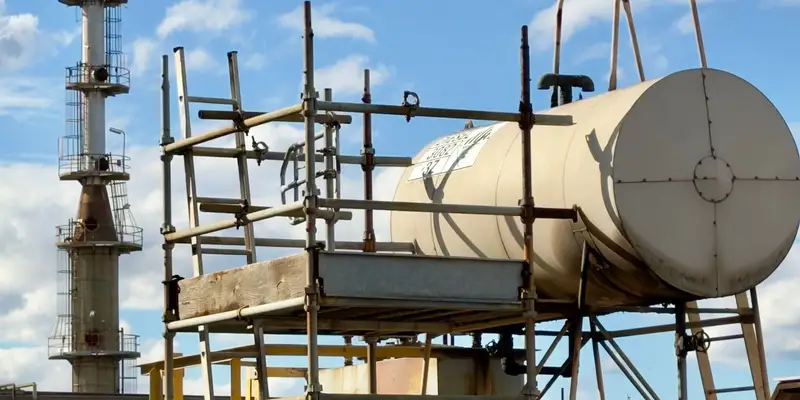
Shutdown coordination platform
One source of truth: scope, bookings and labour in one place
A custom application replaced spreadsheets and email chains for planning and running major shutdowns, giving the team one place to manage scope, logistics and labour.
Further Details →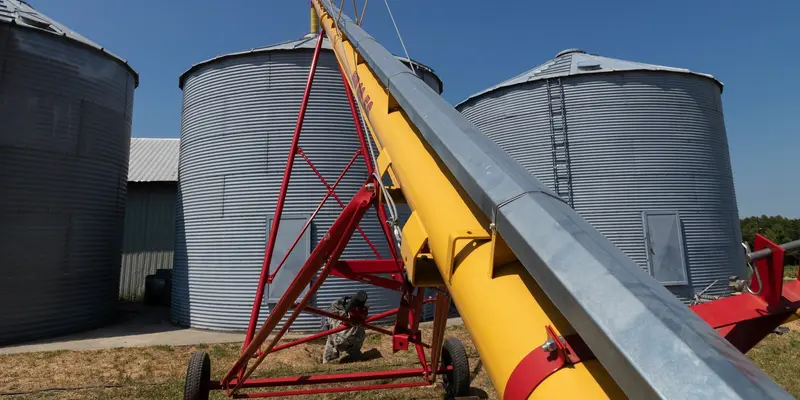
Grain flow paths and chute upgrades guided by DEM
Flow through peak: receival and out-loading keep moving
Discrete Element Method modelling of receival and out-loading flow paths guided chute and liner upgrades that kept grain moving through peak harvest.
Further Details →
Operational readiness for a new plant asset
Ready at handover: maintainable from day one, not after the first failure
A structured operational readiness plan got a new plant asset ready to run before handover, covering spares, master data, maintenance strategy and procedures.
Further Details →
Structural design and certification of transport frames
Certified: compliant and verified for road movement
Structural design and certification of transport frames and supports for moving large fabricated items safely by road.
Further Details →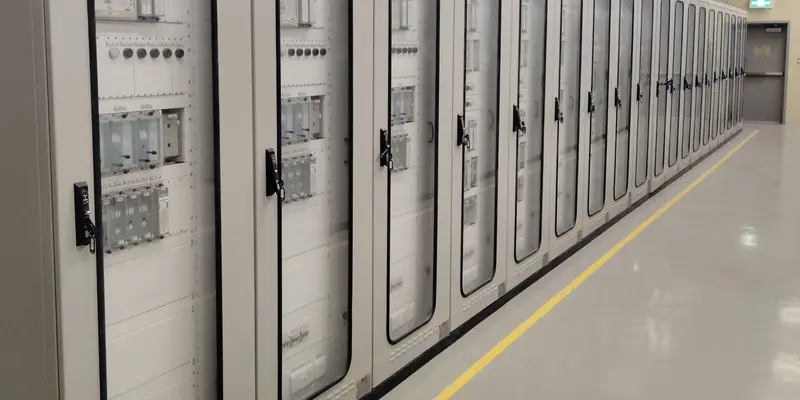
Bridging OT and IT with custom software
Near real time: plant data reaching the systems that use it
The data that runs an operation often gets stuck on the plant floor, in control systems and historians the business cannot easily reach. A custom integration layer moves that data into the systems that plan, report and act on it, securely and in near real time.
Further Details →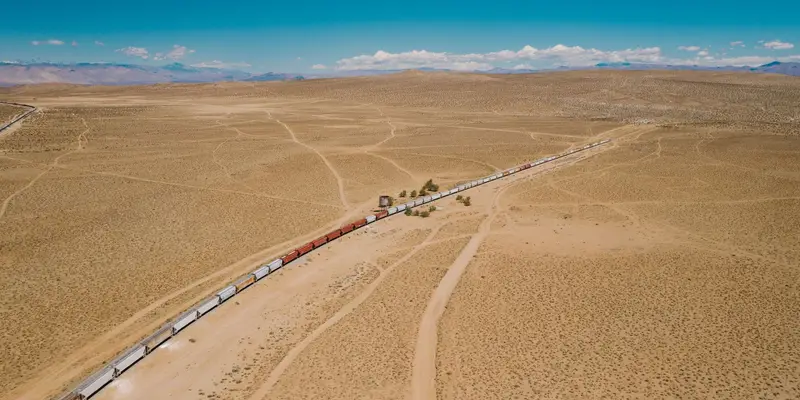
Asset management planning and the system behind it
Costed: what the money buys, in service and in risk
Asset spending is usually decided a year at a time, in a budget round, with no document that says what the money buys. Why asset management plans matter, and how objectives, levels of service and criticality turn into a costed plan that holds.
Further Details →